


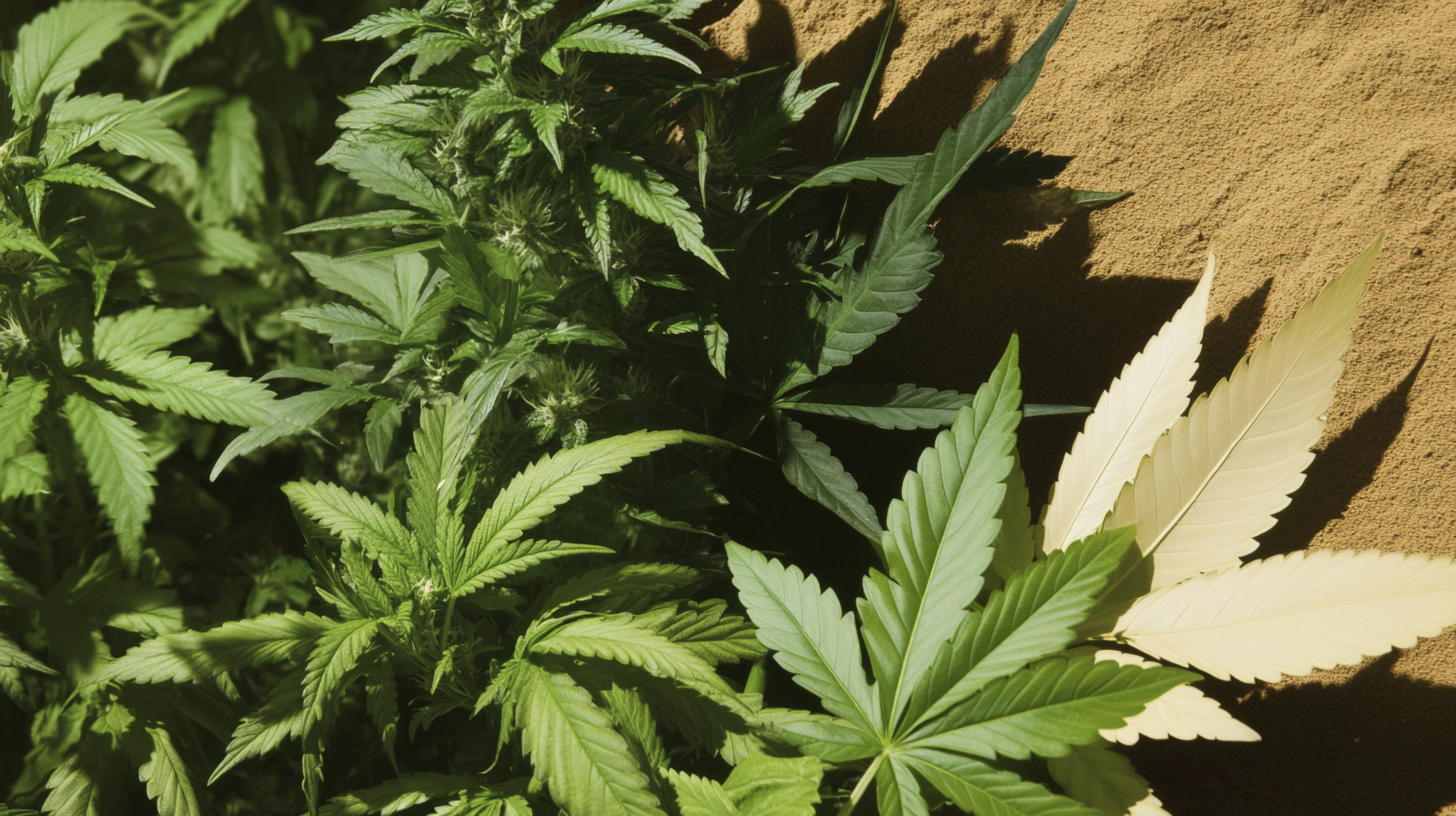
What Are Landrace Cannabis Strains?
Landrace strains represent cannabis in its purest form. These are varieties that evolved naturally over thousands of years in specific geographic regions, adapting to local climates, soils, and growing conditions without human intervention or crossbreeding. Think of them as the heirloom tomatoes of the cannabis world - original, unaltered, and deeply connected to their place of origin.
Unlike the countless THCA hybrids available today, landrace strains developed in isolation in places like the Hindu Kush mountains of Afghanistan, the hills of Thailand, the coasts of South Africa, and the highlands of Mexico. Each region imparted unique characteristics to its native cannabis, creating distinct profiles of cannabinoids, terpenes, and effects that have influenced modern cannabis breeding for decades.
The term "landrace" comes from the Danish word "landrace," meaning a local variety that has adapted to its natural environment. In cannabis, these strains are considered the genetic foundation of all modern varieties. Every hybrid you see at a dispensary or online store traces its lineage back to these original genetics.
Why Landrace Strains Matter in Modern Cannabis

In an era where cannabis breeders chase ever-higher THC percentages and exotic flavor combinations, landrace strains might seem outdated. But these original genetics offer something modern hybrids often lack: genetic stability, unique terpene profiles, and effects that haven't been diluted through generations of crossbreeding.
Landrace strains typically contain more balanced cannabinoid ratios than modern hybrids. While a contemporary strain might push 30% THC with minimal other cannabinoids, a landrace might offer 15% THC alongside meaningful levels of CBD, CBG, and other compounds. This balance creates what researchers call the entourage effect, where cannabinoids work synergistically to produce more nuanced effects.
For consumers seeking authentic cannabis experiences, landrace strains provide a window into how cannabis was consumed for centuries before modern breeding programs. They offer clearer, more predictable effects that haven't been muddied by complex genetics. Many users report that landrace strains provide more functional, clear-headed experiences compared to potent modern hybrids.
From a cultivation perspective, landrace genetics are invaluable for breeding programs. These strains have survived in their native environments for generations, making them naturally resistant to local pests, diseases, and climate variations. Breeders use landrace genetics to introduce hardiness, unique terpene profiles, and specific effects into new hybrid varieties.
Major Landrace Strains: A Global Journey
Hindu Kush (Afghanistan/Pakistan)
Perhaps the most famous landrace strain, Hindu Kush originates from the mountain range spanning Afghanistan and Pakistan. This pure indica developed at high altitudes in harsh conditions, resulting in a short, bushy plant with thick resin production and exceptional cold tolerance.
Hindu Kush produces dense, resinous buds with an earthy, sweet, and slightly piney aroma dominated by myrcene and caryophyllene terpenes. The effects are powerfully relaxing and sedating, making it ideal for evening use. This strain has been used to breed countless modern indicas and hybrids, contributing its stress-relieving properties and robust growth characteristics.
Traditional uses in its native region included hashish production, taking advantage of the strain's heavy resin production. The thick trichome coverage that made it perfect for hand-rubbed hash also makes it excellent for modern concentrate production.
Thai (Thailand)
Thai landrace strains, sometimes called "Thai Stick" after the traditional method of tying buds to bamboo sticks, represent pure sativa genetics from Southeast Asia. These plants grow tall and lanky, adapted to Thailand's tropical climate with high humidity and consistent temperatures.
The terpene profile of Thai strains typically features high levels of terpinolene and pinene, creating bright, citrusy, and spicy aromas. Effects are notably energizing and cerebral, promoting creativity, focus, and social interaction. Thai genetics have influenced legendary sativa hybrids like Haze and many modern uplifting varieties.
Thai landrace strains typically have longer flowering times (12-16 weeks) compared to modern hybrids, but patient cultivators are rewarded with unique effects and flavors impossible to find in faster-flowering varieties. The clear-headed, functional high made Thai strains popular among workers in their native regions who needed to remain productive throughout the day.
Durban Poison (South Africa)
From the port city of Durban in South Africa comes this legendary pure sativa landrace. Durban Poison adapted to South Africa's subtropical climate, developing into one of the fastest-flowering sativas available (8-9 weeks), unusual for pure sativa genetics.
This strain features a distinctive sweet, earthy aroma with hints of anise and licorice, created by a terpene profile rich in terpinolene and myrcene. Effects are energizing and uplifting without the anxiety that sometimes accompanies high-THC sativas. Many users report enhanced focus and creativity, making it popular for daytime use.
Durban Poison has been extensively used in breeding programs to shorten flowering times in sativa-dominant hybrids while maintaining uplifting effects. Its genetic influence can be found in popular strains like Girl Scout Cookies and Cherry Pie. The strain's ability to thrive in various climates makes it attractive to cultivators worldwide.
Acapulco Gold (Mexico)
This legendary Mexican landrace from the Acapulco region represents some of the finest sativa genetics from North America. Acapulco Gold thrived in Mexico's mountainous terrain, developing a reputation for golden-hued buds and exceptional quality that made it highly prized in the 1960s and 70s.
The terpene profile combines limonene, caryophyllene, and myrcene, creating a sweet, earthy aroma with coffee and caramel undertones. Effects are euphoric and energizing, promoting motivation and reducing stress without sedation. The strain's balanced nature makes it suitable for both recreational and therapeutic use.
While pure Acapulco Gold is difficult to find today, its genetics live on in numerous hybrid varieties. The strain's resilience and unique effects continue to influence modern cannabis breeding, particularly in varieties designed for outdoor cultivation in varied climates.
Afghani (Afghanistan)
Similar to Hindu Kush but distinct in its own right, Afghani landrace strains developed throughout Afghanistan's diverse terrain. These pure indica genetics adapted to harsh conditions with cold winters and hot, dry summers, resulting in resilient plants with heavy resin production.
Afghani strains feature earthy, hashy aromas with sweet undertones, dominated by myrcene and caryophyllene terpenes. Effects are deeply relaxing and sedating, making these strains traditional choices for evening use and sleep support. The heavy body effects and stress relief properties make Afghani genetics valuable for therapeutic applications.
This landrace has been foundational in creating modern indica-dominant strains and hybrids. Its genetics contribute hardiness, resin production, and relaxing effects to countless varieties. Many of the "Kush" strains popular today trace their lineage directly to Afghani genetics.
Malawi (Malawi, Africa)
From the southeastern African nation of Malawi comes this powerful sativa landrace known for exceptional potency and unique effects. Malawi strains adapted to the country's subtropical climate, developing into tall plants with extended flowering times (12-14 weeks) and impressive resin production.
The terpene profile is complex and fruity, featuring terpinolene, limonene, and pinene that create sweet, tropical aromas with hints of melon and mango. Despite being a pure sativa, Malawi produces notably high THC levels (for a landrace) while maintaining balanced effects that many users find more manageable than modern high-THC hybrids.
Effects are intensely cerebral and psychedelic, promoting introspection and creativity. Traditional use in Malawi included ceremonial and social contexts. Modern breeders value Malawi genetics for introducing potency and unique effects into sativa-dominant hybrids without the anxiety sometimes associated with contemporary high-THC varieties.
Landrace Strains vs. Modern Hybrids: Key Differences

The differences between landrace strains and modern hybrids extend far beyond simple genetics. Understanding these distinctions helps consumers make informed choices about which types of cannabis best suit their needs.
Genetic Stability
Landrace strains offer remarkable genetic consistency. Because they evolved in isolation for generations, these varieties breed true, meaning plants grown from seed will be nearly identical to their parents. This stability makes landrace strains predictable in their effects, flavors, and growing characteristics.
Modern hybrids, by contrast, often exhibit significant variation even within the same seed batch. A hybrid might combine genetics from indica, sativa, and multiple other varieties, creating complex genetic backgrounds that can express differently depending on growing conditions and specific seed phenotypes. This variability is why clone-only strains became popular - they guarantee genetic consistency that seed-grown hybrids often lack.
Cannabinoid Profiles
Perhaps the most significant difference lies in cannabinoid ratios. Modern breeding programs have focused intensely on maximizing THC content, sometimes at the expense of other beneficial compounds. It's not uncommon to find contemporary strains testing at 25-35% THC with negligible amounts of CBD, CBG, or other minor cannabinoids.
Landrace strains typically offer more balanced profiles. A Thai landrace might contain 12-15% THC alongside 1-2% CBD and meaningful amounts of CBG and CBC. This balance creates the entourage effect, where cannabinoids work together synergistically. Many users find these balanced profiles produce more pleasant, functional effects than single-cannabinoid-dominant hybrids.
The full-spectrum approach that Secret Nature emphasizes in its products reflects this wisdom from landrace genetics - that cannabis works best when its natural compound ratios remain intact.
Terpene Diversity
Landrace strains evolved their terpene profiles over thousands of years in response to environmental pressures. These profiles are often more complex and nuanced than modern hybrids, featuring combinations of terpenes that may be difficult to replicate through breeding.
Modern hybrids can certainly produce impressive terpene levels, but the variety and balance often differ from landrace strains. Breeders selecting for specific traits like yield or THC content may inadvertently reduce terpene diversity. Landrace genetics preserve ancient terpene combinations that contribute to unique effects and flavors.
Effects and Experience
Users often report that landrace strains provide clearer, more functional effects compared to potent modern hybrids. A Thai landrace might offer energizing, creative effects without the anxiety or racing thoughts sometimes caused by high-THC sativas. An Afghani landrace might provide deep relaxation without the couch-lock of modern indica hybrids pushing 30% THC.
This functional quality reflects the balanced cannabinoid and terpene profiles inherent to landrace genetics. These strains evolved to serve specific purposes in their native regions, whether for relaxation after physical labor or maintaining focus during daily activities.
Landrace Strain Comparison Table
| Strain | Origin | Type | Primary Effects | Dominant Terpenes |
|---|---|---|---|---|
| Hindu Kush | Afghanistan/Pakistan | Pure Indica | Deeply relaxing, sedating, stress relief | Myrcene, Caryophyllene |
| Thai | Thailand | Pure Sativa | Energizing, cerebral, creative, social | Terpinolene, Pinene |
| Durban Poison | South Africa | Pure Sativa | Uplifting, focused, energizing, clear-headed | Terpinolene, Myrcene |
| Acapulco Gold | Mexico | Pure Sativa | Euphoric, motivating, stress-reducing | Limonene, Caryophyllene, Myrcene |
| Afghani | Afghanistan | Pure Indica | Heavy relaxation, sedating, body-focused | Myrcene, Caryophyllene |
| Malawi | Malawi, Africa | Pure Sativa | Cerebral, introspective, creative, potent | Terpinolene, Limonene, Pinene |
The Preservation Challenge: Keeping Landrace Genetics Alive
True landrace strains face an uncertain future. In their native regions, traditional cannabis cultivation has been disrupted by prohibition, conflict, and the introduction of modern hybrid genetics. Farmers seeking higher yields or faster flowering times often crossbreed landrace strains with modern varieties, diluting or eliminating pure genetics.
Climate change poses another threat, altering the environmental conditions that shaped these strains over millennia. Rising temperatures, changing rainfall patterns, and extreme weather events affect the ecosystems where landrace strains evolved, potentially pushing them toward extinction in their native habitats.
Fortunately, dedicated breeders, seed banks, and preservation projects work to maintain landrace genetics. Organizations collect and store seeds from native regions, preserving genetic diversity for future generations. These efforts ensure that even if landrace strains disappear from their original environments, their genetics remain available for breeding, research, and cultivation.
For consumers, supporting companies that prioritize genetic diversity and authentic cannabis experiences helps maintain demand for landrace preservation. When the market values only high-THC hybrids, economic incentives push against preserving balanced landrace genetics.
Finding and Experiencing Landrace Strains Today
True landrace strains can be challenging to find in modern cannabis markets. Most strains labeled as "landrace" have been adapted to indoor cultivation or selectively bred over generations, making them technically landrace-derived rather than pure landrace genetics.
However, the principles that make landrace strains special - balanced cannabinoid profiles, diverse terpenes, and functional effects - can still be found in thoughtfully produced cannabis. Craft cultivators who prioritize full-spectrum profiles and traditional growing methods often produce cannabis that shares qualities with landrace strains, even if the genetics include some modern breeding.
When exploring landrace or landrace-derived strains, pay attention to cannabinoid and terpene profiles rather than just THC percentages. Strains with balanced ratios and diverse terpene profiles often provide more nuanced, enjoyable experiences than single-cannabinoid-dominant varieties.
Secret Nature's commitment to full-spectrum cannabis products reflects the wisdom inherent in landrace genetics. By preserving the natural balance of cannabinoids and terpenes, these products deliver the entourage effect that makes cannabis most effective and enjoyable.
The Legacy of Landrace Genetics
Landrace strains represent more than just cannabis genetics. They're living links to thousands of years of coevolution between humans and cannabis plants, reflecting the diverse environments and cultures where cannabis developed. Each landrace strain tells a story of adaptation, survival, and the intimate relationship between plants and people.
In an industry increasingly focused on novelty and potency, landrace genetics remind us that cannabis diversity matters. These original strains offer balanced effects, unique flavors, and genetic stability that modern breeding can't always replicate. They provide baseline genetics for breeding programs and serve as references for understanding how cannabis naturally functions.
Whether you're exploring pure landrace strains or modern products that honor the balanced approach these genetics represent, understanding landrace cannabis enriches your appreciation of this remarkable plant. The future of cannabis doesn't have to mean abandoning its past - by valuing genetic diversity and balanced profiles, we can honor landrace traditions while embracing modern cultivation and consumption methods.
The principles that made landrace strains effective for thousands of years - balanced cannabinoid ratios, diverse terpene profiles, and genetic stability - remain relevant today. As the cannabis industry matures, we're rediscovering that stronger isn't always better, and that the most satisfying cannabis experiences often come from plants that maintain their natural balance.
